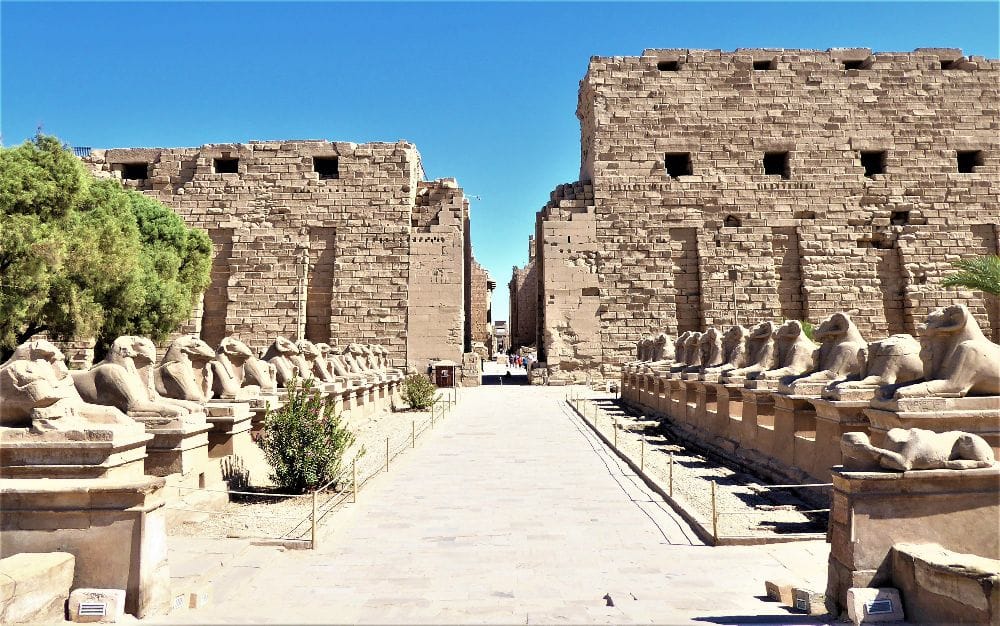
Introduction: Why Visit Karnak Temple? Nestled on the east bank of the Nile River in the heart of Luxor, Egypt, lies the sprawling Karnak Temple complex—an awe-inspiring testament to ancient Egyptian civilization and its grandiose ambition. Built over nearly two millennia, Karnak stands as one of the most impressive and largest temple complexes ever constructed, dedicated primarily to the powerful god Amun-Ra. Visiting Karnak Temple is like stepping into a time machine that transports you back thousands of years to a world where gods, rituals, and monumental architecture ruled the landscape. This UNESCO World Heritage Site offers an unparalleled glimpse into the religious, political, and cultural essence of ancient Egypt, and it’s no wonder that travelers, historians, and archaeologists alike find themselves spellbound by its mysteries. From towering columns and massive statues to intricate hieroglyphs and hidden chambers, Karnak’s vast grounds reveal layers of history contributed by generations of pharaohs. Each structure, each courtyard, and every intricately carved relief holds a story, inviting visitors to explore Egypt’s most sacred and revered past. In this blog post, we’ll uncover 129 Reasons to Visit Karnak Temple, highlighting its historical importance, architectural splendor, cultural relevance, and hidden secrets. Whether you’re an avid history buff, a spiritual seeker, or simply someone who marvels at ancient wonders, Karnak promises an experience that is nothing short of magical. Historical Significance Karnak Temple is more than just an architectural marvel; it is a living timeline that stretches across two thousand years of ancient Egyptian history. Each generation of pharaohs left their mark on Karnak, turning it into an evolving complex that reflects the beliefs, achievements, and legacy of Egypt’s most powerful rulers. This continuity of construction, expansion, and preservation has transformed Karnak into one of the most important historical sites in the world. Here are some of the reasons why Karnak holds such deep historical significance. Through centuries of construction, Karnak Temple has become a monumental chronicle of ancient Egyptian history, preserving the contributions of powerful pharaohs and capturing pivotal events in Egyptian civilization. Its role as a religious, cultural, and political epicenter reflects not only the beliefs of ancient Egyptians but also their immense architectural and artistic achievements. Each structure and inscription at Karnak serves as a testament to the legacy of a civilization that thrived for millennia, making it one of the most significant historical sites in the world. Exploring the historical layers of Karnak is like walking through Egypt’s collective memory, where each corner reveals yet another chapter in the story of this extraordinary empire. Architectural Marvels Karnak Temple isn’t just a place of worship; it’s a masterpiece of ancient engineering and artistry. Its sheer scale, innovative construction techniques, and intricate design have astonished visitors and architects for centuries. Each structure within Karnak tells a story of devotion and ambition, revealing how the Egyptians used architecture not only to honor their gods but also to demonstrate their advanced skills and sophisticated aesthetics. Here are some of the most remarkable architectural features that make Karnak an awe-inspiring destination. Through its monumental architecture, Karnak Temple stands as a testament to ancient Egypt’s engineering prowess, creative artistry, and dedication to the divine. Every structure, from towering columns to serene courtyards, reflects an unparalleled commitment to craftsmanship and the belief that architecture could bridge the earthly and divine realms. Exploring Karnak’s architectural marvels allows visitors to step into a world where sacred art and engineering merged to create one of the most enduring wonders of the ancient world. Cultural & Religious Significance Karnak Temple was far more than a place of worship; it was the beating heart of ancient Egypt’s religious life. Dedicated to the powerful god Amun-Ra and his divine family, Karnak served as a site for sacred rituals, festivals, and divine guidance. It was a spiritual and cultural hub, where worshippers gathered, priests practiced, and pharaohs demonstrated their connection to the gods. Here are some of the key elements that showcase Karnak’s profound cultural and religious significance. Through these sacred practices, festivals, and places of worship, Karnak Temple became the spiritual heart of ancient Egypt, a place where the divine and human realms met. As a center of pilgrimage, wisdom, and healing, it was a cornerstone of religious life that continues to inspire reverence today. For visitors, Karnak offers a glimpse into the spiritual essence that shaped Egyptian society, where the gods were worshipped, and faith and devotion were woven into daily life. Unique Features and Symbolism Karnak Temple is not only a monumental architectural achievement but also a carefully designed symbol of ancient Egyptian beliefs. Every detail of the complex—from its layout and color choices to its alignment with the cosmos—holds a deeper meaning rooted in the Egyptians’ worldview. This symbolism allowed Karnak to serve not only as a place of worship but also as a reflection of the natural and cosmic order. Here are some of the unique features and symbolic elements that make Karnak a remarkable cultural and spiritual masterpiece. Through its unique features and symbolic design, Karnak Temple became a physical representation of the Egyptians’ spiritual beliefs and cosmic understanding. The temple’s architecture, colors, and alignment with natural and celestial elements made it a powerful symbol of divine order. Walking through Karnak is an immersive experience, allowing visitors to connect with the deep symbolism that permeates every corner of this ancient marvel. Artistic Highlights Karnak Temple is a treasure trove of ancient Egyptian art, with every wall, column, and statue showcasing the Egyptians’ mastery of form, symbolism, and storytelling. The temple’s artistry goes beyond decoration—it serves as a visual record of Egypt’s history, mythology, and cultural values. The intricate carvings and vibrant colors that remain offer a glimpse into the skill and creativity of the artisans who brought Karnak to life. Here are some of the most captivating artistic elements that make Karnak a unique visual experience. Through these artistic highlights, Karnak Temple provides a powerful visual journey into ancient Egypt. Each carving, relief, and sculpture not only exhibits the Egyptians’ skill in art but also conveys the stories, beliefs, and values that shaped their civilization. The artistry of Karnak allows modern-day visitors to step back into
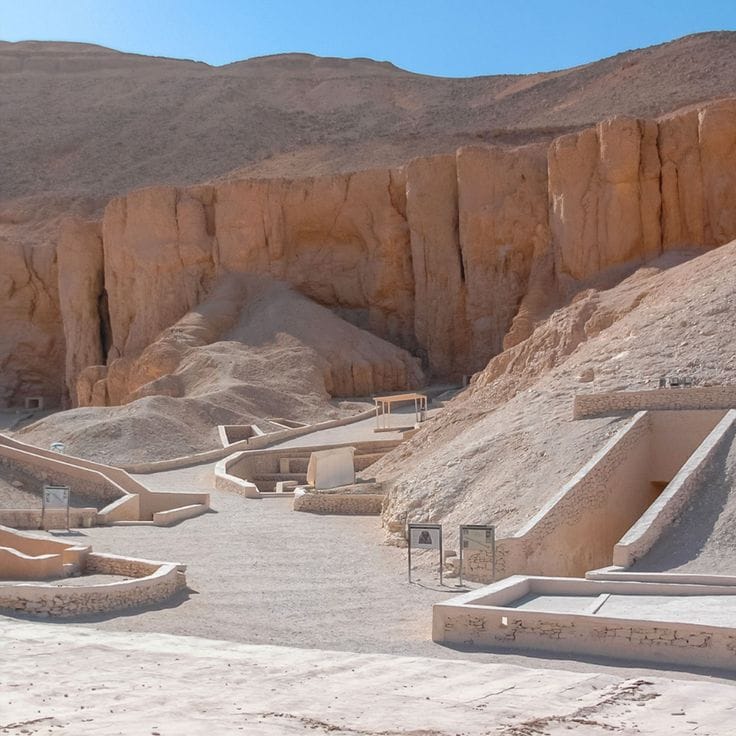
The Valley Of The Kings in Luxor
The Valley of the Kings is a valley in Egypt where the tombs of many Pharaohs from the 18th to 20th dynasties were cut into the local rock. The Valley of the Kings is a valley in Egypt where many Pharaohs from 18th to 20th dynasties were buried. The tombs are cut into the local rock and can be accessed by a long sloping path. The Valley of the Kings is an ancient Egyptian necropolis on the west bank of Luxor, Egypt, near -Luxor Temple. It contains more than 60 tombs and chambers created for pharaohs and their consorts during Egypt’s New Kingdom period, along with several other later royal tombs (of which only three have been opened) as well as some private tombs. The Vally of the kings is a burial ground, near Luxor in Egypt. It was used as an ancient necropolis for pharaohs and their families. The site was used as a royal tomb for the New Kingdom pharaohs and their families, from 15th century BC to 11th century BC. The tombs are decorated with scenes from Egyptian mythology and give clues to the beliefs in life after death during this time period.
Explore the Valley of the Kings: Luxor’s Timeless Royal Tombs
2026-02-01T18:24:02+00:00UncategorizedEver looked at photos of ancient tombs and thought, “Yeah, cool,” but didn’t really know what made them special? That’s what you say before visiting the Valley of the Kings in Luxor. And honestly, once you’re there, it hits differently. You’re walking through quiet, rocky paths and thinking: somewhere beneath your feet, pharaohs were buried with gold, hopes for the afterlife, and centuries of belief carved into stone. What Is the Valley of the Kings? The Valley of the Kings is this desert area right outside Luxor where ancient Egyptian rulers buried their dead. But they didn’t just throw them in the ground. They went full-on epic with it—cutting deep tombs into the hills, painting the walls with scenes of gods and stars, and sealing the chambers with treasure. It’s not flashy on the outside. No big statues. Just quiet hills. But underneath? Unreal. History of the Royal Tombs in Luxor So, here’s the deal: back in the New Kingdom (around 1550–1070 BCE), the whole pyramid thing had faded out. Instead, pharaohs wanted their tombs hidden. Safer from looters, or so they thought. They picked this secret valley and carved tombs into the cliffs. These weren’t just burials—they were like spiritual launchpads to the afterlife, covered in protective texts and artwork. Most of the tombs in Luxor Egypt that are open today come from this exact period. Who Was Buried in the Valley of the Kings? Some pretty famous names got buried here—Tutankhamun, for one. Then you’ve got Ramses VI, Seti I, Thutmose III, and a bunch more. There are over 60 tombs in the valley. Some are huge with crazy-long corridors. Some are smaller, probably made in a rush. Not all tombs are open all the time, but the ones you can see are wild. Discover Now Our Trips To Luxor Must-Visit Tombs: Tutankhamun, Ramses VI & More Let’s be real—you can’t see all the tombs in one day, so pick the best. Here are our top picks: Just a heads-up—luxor valley of the kings tickets only cover 3 tombs by default. Some need an extra ticket. How to Visit the Valley of the Kings It’s not far from downtown Luxor. From Luxor to Valley of the Kings, it’s like a 45-minute drive. You can grab a taxi, join a group tour, or book a guide. or go with a private guide and honestly, that helps a lot. If you’re already doing a day trip, combine it with other west bank sites like Hatshepsut’s temple or the Colossi of Memnon. Opening Hours, Ticket Prices & Best Time to Go Here’s what you need to know: What to Expect Inside the Tombs Walking into a tomb feels weird at first. You go from bright desert heat into these cool, dark hallways carved thousands of years ago. Some paths are sloped. Some are steep. It gets really quiet the deeper you go. Then you hit the walls—covered in colorful drawings, stars, gods, and scenes of the afterlife. No two tombs look the same. It’s not scary. It’s just… surreal. Other Nearby Attractions in Luxor Once you’re done with the valley, don’t miss these: There’s a ton packed into this area. You could spend 2–3 days easily. Why the Valley of the Kings Is a Must-See in Egypt The Valley of the Kings in Luxor hits different from other tourist spots. You’re not just looking at stuff—you’re stepping into spaces that ancient people built to last forever. There’s history, art, mystery—and if you’re into any of that, this place delivers. Whether it’s your first trip to Egypt or your fifth, this is one site that doesn’t get old. Photography & Visitor Tips If you’re thinking of snapping photos inside, here’s the catch: you need a photo pass, and it costs extra. Don’t try to sneak one. Guards will call you out. Other tips:
Top-rated hotels near the pyramids: Your Ultimate Guide to Staying in Giza
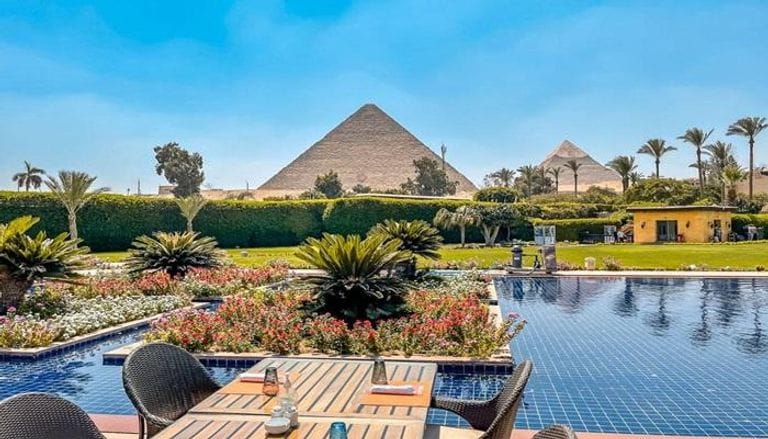
2018-04-06T03:48:20+00:00Adventure, Destinations, PhotosFor many travelers, the dream of visiting Egypt is synonymous with standing before the last remaining wonder of the ancient world. However, the experience becomes truly magical when you choose to stay at one of the top-rated hotels near the pyramids. Imagine waking up to the soft golden light hitting the apex of the Great Pyramid of Khufu, or watching the sunset over the Sphinx from your own private balcony. Staying in Giza offers an immersive historical experience that a hotel in downtown Cairo simply cannot match. In this comprehensive guide, we will explore the finest accommodations in Giza, ranging from historic royal palaces to modern luxury resorts and charming boutique rooftops. We will also provide essential travel tips to ensure your stay is as seamless as the ancient masonry of the pyramids themselves. Table of Contents Why Location is Everything in Giza The Gold Standard: Luxury Hotels Near the Pyramids The Boutique Experience: Rooftop Gems Proximity to the Grand Egyptian Museum (GEM) Dining and Nightlife in Giza Practical Tips for Your Giza Stay Conclusion Frequently Asked Questions (FAQ) Why Location is Everything in Giza Cairo is a vibrant, bustling metropolis, but it is also famous for its intense traffic. By booking one of the top-rated hotels near the pyramids, you effectively eliminate hours of commuting. Proximity to the Giza Plateau means you can be among the first visitors when the gates open at 8:00 AM, allowing you to enjoy the monuments before the desert heat and the large tour buses arrive. Beyond convenience, the psychological impact of living in the shadow of the Pharaohs is profound. Whether you are enjoying a traditional Egyptian breakfast or unwinding after a long day of sightseeing, the constant presence of these 4,500-year-old structures adds a layer of majesty to your journey. It’s also important to stay updated on local safety; currently, experts explain why Egypt is one of the safest travel destinations in 2025, making Giza a secure and welcoming base for international tourists. The Gold Standard: Luxury Hotels Near the Pyramids Marriott Mena House, Cairo: A Royal Legacy When discussing the most prestigious accommodations in Egypt, the Marriott Mena House is always at the top of the list. Originally built as a hunting lodge for Khedive Ismail in 1869, this hotel has hosted royalty, presidents, and celebrities for over a century. It is the definition of luxury among top-rated hotels near the pyramids.The hotel is set within 40 acres of emerald-green gardens, providing a stark and beautiful contrast to the golden sands of the plateau. Guests can dine at the famous ‘139 Pavilion’, where the pyramid view is so close it feels within arm’s reach. While staying here, you are just a short walk away from the entrance gate. Before you head out, it’s helpful to review some interesting facts about the pyramids to truly appreciate the engineering marvels you are about to see. Steigenberger Pyramids Cairo: Modern Comfort For those who prefer a more contemporary aesthetic without sacrificing the view, the Steigenberger Pyramids Cairo is a perfect choice. This hotel offers a resort-style atmosphere with large swimming pools and multiple dining venues. It is located directly across from the new Grand Egyptian Museum (GEM), making it a strategic choice for museum enthusiasts. The rooms are designed with sleek, modern lines, and many offer balconies that face the Giza Plateau. It’s a fantastic spot for families and groups who want the reliability of an international hotel brand while being at the heart of the action. To enter these sites, you’ll need to know the latest Egypt attractions entrance fees, which can be easily managed through your hotel concierge. The Boutique Experience: Rooftop Gems Not every traveler seeks the vastness of a resort. Some of the most highly-rated experiences come from smaller, family-run boutique hotels in the Nazlet El-Semman area. These properties often boast the best “value-for-money” views in the world. Hotels like the ‘Giza Pyramids View Inn’ or ‘Great Pyramid Inn’ provide an authentic Egyptian atmosphere. Their rooftop terraces are legendary, offering a front-row seat to the Sphinx and the nightly Sound and Light Show. If you are a solo traveler, these boutique spots are excellent for meeting fellow adventurers. You might also want to check out specific Giza pyramids tours for solo travelers to make the most of your time in the area. Proximity to the Grand Egyptian Museum (GEM) One of the biggest advantages of staying in top-rated hotels near the pyramids today is the proximity to the Grand Egyptian Museum. As the world’s largest archaeological museum, the GEM is a game-changer for Giza. Many hotels now offer shuttle services or are within walking distance of this monumental facility. The GEM houses the full collection of King Tutankhamun’s treasures, along with thousands of other artifacts that tell the story of Egypt’s 5,000-year history. Staying nearby allows you to visit the museum multiple times, which is highly recommended given its massive scale. You can consult the official Ministry of Tourism and Antiquities website for special exhibition schedules during your stay. Dining and Nightlife in Giza Staying near the pyramids doesn’t mean you are limited to hotel food. Giza has a thriving culinary scene. For a high-end experience, the restaurants at the Mena House offer world-class cuisine. However, for a taste of local life, many rooftop restaurants serve traditional “Fatteh” or “Koshary” while the pyramids glow in the background. The Sound and Light Show is the highlight of Giza’s nightlife. From your hotel terrace, you can watch the historical narration and light displays that have fascinated visitors for decades. It is a peaceful way to end a busy day of exploration. Practical Tips for Your Giza Stay Booking the Right Room: Always double-check your booking to ensure it says “Pyramid View.” In many large hotels, standard rooms may face the city or the gardens. Visa Requirements: Most tourists require a visa. You can obtain your Egypt E-visa easily through the Official E-visa Portal before your arrival. Transportation: Use reputable services like Uber or Careem, or coordinate with the best travel agency in Egypt to arrange private transfers from Cairo International Airport directly to your